

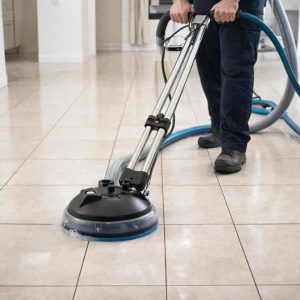
 Tile and grout cleaning uses more water than most people realize. Floors, showers, and commercial kitchens often require repeated rinsing to remove soil and chemical residue, which is why choosing efficient tile and grout cleaning Brisbane services can make a meaningful difference. Over time, that adds up. In areas facing drought or rising water costs, wasteful cleaning methods are hard to justify. The good news is that effective cleaning does not have to depend on heavy water use. With the right approach, you can protect surfaces, improve results, and reduce water consumption simultaneously.
Why Water Use Matters in Tile and Grout Cleaning
Tile is durable. Grout is not. Grout is porous and absorbs dirt, oils, and cleaning solutions. Many traditional cleaning methods rely on flooding the surface with water and chemicals, then extracting the slurry. It works, but it often uses more water than necessary. Excess moisture can also seep below the surface, potentially weakening grout lines or leading to mold growth in damp areas.
Reducing water use is not only about conservation. It also shortens drying time, lowers labor costs, and reduces the risk of damage. That matters in homes and even more in commercial spaces where downtime costs money.
Start with Dry Soil Removal
Before introducing any water, remove as much loose soil as possible. Vacuuming and dry sweeping are simple steps, but they are often rushed or skipped.
Fine grit and sand settle into grout lines. If you wet the floor first, that debris turns into mud and spreads. By vacuuming with a brush attachment, you lift out dry particles, reducing the need for heavy rinsing later. In commercial settings, using a high-filtration vacuum can remove a surprising amount of embedded soil before any liquid touches the floor.
This single step can significantly cut the amount of water needed during the actual cleaning process.
Use Low-Moisture Cleaning Systems
Low-moisture methods are becoming more common in professional tile and grout care. These systems rely on controlled solution application rather than open spraying.
Encapsulation cleaners, for example, use polymers that surround soil particles. After drying, the residue can be removed with light agitation or vacuuming. While often associated with carpet cleaning, similar low-moisture chemistry can work on certain tile surfaces.
Microfiber mops are another practical tool. They hold the cleaning solution evenly and release it slowly. Compared to string mops, they use far less water and reduce runoff into grout lines. For routine maintenance, microfiber systems can replace traditional mop-and-bucket methods entirely.
Control Water Pressure and Flow
When deeper cleaning is required, equipment choice matters. High-pressure tools are effective, but uncontrolled pressure can waste water and damage grout.
Modern tile cleaning machines allow technicians to adjust both pressure and flow rate. Instead of blasting water at full force, use the minimum pressure needed to break up soil. Many professional units also recycle water internally, filtering and reheating it for reuse during the same job.
Truck-mounted systems, when properly calibrated, can deliver precise water output. The key is not power alone, but control. A steady, measured flow cleans just as well as excessive spraying, and it leaves less water behind.
Apply Cleaning Solutions Strategically
Water use often increases because cleaning solutions are not given enough dwell time. When chemicals are applied and rinsed immediately, technicians compensate by using more water and more agitation.
A better method is a controlled application followed by proper dwell time. Apply the solution evenly. Allow it to sit for the recommended period so it can break down oils and soil. Then use mechanical agitation, such as a rotary brush, to lift debris.
Because the soil has already loosened, rinsing requires less water. You are not fighting bonded grime with sheer volume. You are letting chemistry and agitation do the work first.
Spot Cleaning Instead of Flood Cleaning
Not every floor requires a full saturation clean. High-traffic areas, entryways, and kitchen work zones accumulate more soil than low-use corners.
Instead of treating the entire surface equally, assess the floor. Spot treat heavy soil areas and use lighter maintenance cleaning elsewhere. This targeted approach reduces total water use and shortens job time.
For residential bathrooms, for example, grout lines near showers may need deeper treatment, while the rest of the floor can be maintained with low-moisture cleaning.
Upgrade to Efficient Extraction
Extraction is where water waste often becomes obvious. Poor recovery leaves standing moisture that must be wiped up or left to evaporate.
High-efficiency vacuum systems remove more solution in fewer passes. Squeegee tools designed specifically for tile surfaces improve contact with grout lines and uneven textures. The better the recovery, the less water remains behind.
Efficient extraction has another benefit. Faster drying times reduce the risk of slips and limit mold growth in humid environments.
Seal Grout to Reduce Future Water Use
Prevention plays a major role in conservation. Properly sealed grout resists stains and moisture penetration. When grout is sealed, soil stays closer to the surface, and routine cleaning becomes easier.
That means lighter cleaning methods can be used more often, and deep, water-intensive cleaning can be scheduled less frequently. Sealants do not eliminate maintenance, but they reduce the required maintenance.
For property managers, this approach lowers long-term water use while protecting the floor’s appearance.
Train Staff on Efficient Techniques
Equipment alone will not save water. Technique matters. Staff should understand how much solution to apply, how long to allow dwell time, and how to adjust pressure settings.
Over-application is common when workers assume more water equals better cleaning. In reality, it often leads to longer drying times and wasted resources. Clear training and written procedures help maintain consistent, efficient practices.
Even small changes, such as lowering mop bucket levels or switching to spray bottles for spot treatment, can reduce daily water use across large facilities.
Consider Alternative Cleaning Technologies
Steam cleaning is one option that can reduce overall water consumption. Steam uses minimal water but delivers high heat, which helps loosen soil and sanitize surfaces. When used correctly, it requires little follow-up rinsing.
However, steam is not suitable for every surface. Some tiles and grout types may be sensitive to high heat. Always confirm with the manufacturer’s guidelines before adopting new methods.
Electrolyzed water systems are another emerging technology. These systems generate cleaning solutions on-site using water and salt. While they still use water, they reduce the need for harsh chemicals and repeated rinsing.
A Practical Balance
Water-saving techniques in tile and grout cleaning are not about cutting corners. They are about working smarter. By removing dry soil first, controlling moisture, using efficient equipment, and sealing grout, you can reduce water consumption without sacrificing results.
For commercial facilities, it means lower operating costs and less disruption. And for communities facing water shortages, it is a responsible step forward.
Effective cleaning does not require flooding the floor. It requires planning, proper tools, and disciplined technique. When those elements come together, conservation becomes part of the standard process rather than an afterthought.