

Global energy demand continues to rise, and cooling systems are among the largest contributors. The International Energy Agency reports that air conditioning accounts for nearly 10% of global electricity consumption, a figure expected to triple by 2050 if current trends continue. This reliance on mechanical cooling not only drives up household energy bills but also intensifies greenhouse gas emissions. The challenge is clear: we need practical solutions that reduce heat indoors without increasing our dependence on energy-hungry appliances.
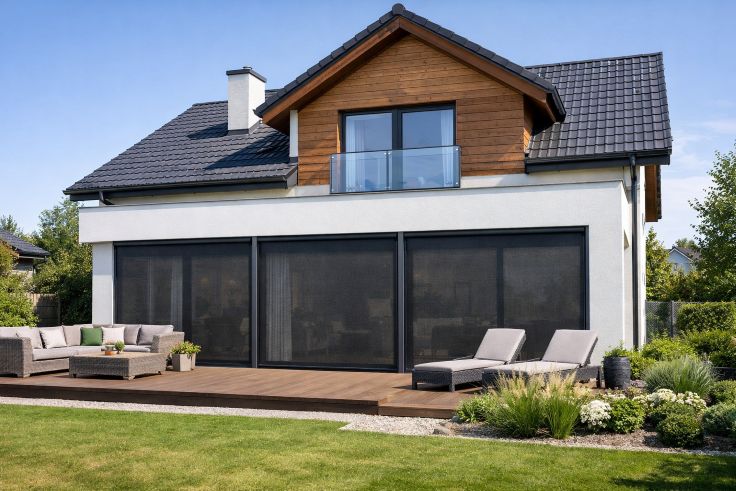
One overlooked yet highly effective solution lies in shade systems. By installing screen fabrics or shade cloths, households and businesses can significantly cut down on indoor heat buildup. For those considering sustainable options, screen fabric (screendoek kopen) offers a straightforward way to reduce reliance on air conditioning while creating more comfortable living spaces. This simple choice can have a measurable impact on energy consumption and, by extension, on carbon emissions.
The Problem: Rising Temperatures and Energy Use
Urban areas are particularly vulnerable to what experts call the “heat island effect.” Research from the U.S. Environmental Protection Agency shows that cities can be up to 7°F hotter than surrounding rural areas due to concrete, asphalt, and limited greenery. As temperatures rise, households turn to air conditioning, which in turn increases electricity demand during peak hours. This cycle places enormous strain on power grids and accelerates climate change.
Cooling through mechanical systems is not only costly but also inefficient. Data from the World Health Organization highlights that energy use for cooling contributes substantially to carbon emissions, worsening the very climate conditions that make cooling necessary. The paradox is striking: the more we cool, the hotter the planet becomes.
The Solution: Shade Systems as Passive Cooling
Screen fabrics, shade sails, and similar coverings provide passive cooling by blocking direct sunlight before it penetrates windows or outdoor spaces. This reduces indoor temperatures naturally, lowering the need for air conditioning. Studies from the Lawrence Berkeley National Laboratory confirm that shading can cut cooling energy use by up to 30% in residential buildings. That reduction translates directly into fewer emissions and lower utility bills.
Unlike mechanical systems, shade solutions require no electricity to function. They are durable, adaptable, and can be installed in gardens, patios, or over large windows. By intercepting solar radiation, they create cooler microclimates that benefit both households and communities. In effect, they offer a low-tech but highly impactful response to a high-tech problem.
Economic and Environmental Benefits
Investing in shade cloths or screen fabric is not just an environmental gesture; it is also financially prudent. Lower energy bills provide immediate savings, while reduced demand on cooling systems extends appliance lifespans. For businesses, these savings can be substantial, especially in regions where cooling costs dominate operational expenses.
Environmentally, the benefits are equally compelling. By reducing reliance on air conditioning, households contribute to lowering peak electricity demand, which often requires utilities to activate fossil-fuel-based backup plants. Cutting this demand helps stabilize grids and reduces emissions. As experts from the International Renewable Energy Agency note, small-scale energy efficiency measures collectively play a critical role in achieving climate targets.
Changing Habits, Changing Outcomes
Adopting shade solutions requires a shift in mindset. Too often, consumers default to mechanical cooling without considering passive alternatives. Yet, the choice to install screen fabric or shade sails is a tangible step toward sustainable living. It demonstrates that climate action does not always require complex technology or large investments. Sometimes, it is as simple as rethinking how we manage sunlight. For more practical ways to make your living space greener, explore these eco-friendly home tips that complement passive cooling strategies and help reduce household emissions.
Communities that embrace shading also benefit from improved outdoor usability. Parks, playgrounds, and public spaces equipped with shade structures encourage outdoor activity even during warmer months. This enhances quality of life while reducing the collective need for indoor cooling. In this way, shade systems contribute not only to environmental sustainability but also to social well-being.
A Persuasive Call to Action
Climate change demands solutions that are both practical and scalable. Screen fabrics and shade cloths meet both criteria. They are accessible, affordable, and effective. Choosing to purchase and install them is more than a lifestyle upgrade; it is a conscious decision to reduce one’s carbon footprint.
As temperatures continue to rise, the urgency of adopting passive cooling strategies grows. Every household that invests in shading contributes to a broader movement toward sustainability. The act of buying a shade sail or screen fabric is, therefore, a vote for a cooler, cleaner future. It is time to recognize that small choices, multiplied across millions of homes, can reshape our energy landscape.
By making the deliberate choice to integrate shading into our daily lives, we take control of our environmental impact. Whether through a simple awning, a garden shade, or a durable screen fabric, the message is clear: sustainable cooling begins with us. The next time you consider how to beat the heat, think beyond the air conditioner. Think shade. Think sustainability. And act because the planet cannot wait.