Did you know that producing physical textbooks has a significant environmental footprint? According to environmental research, the paper industry alone consumes vast amounts of water and energy – producing one ton of paper can require up to 7,000 gallons of water and significant energy inputs, contributing to greenhouse gas emissions as part of the global print supply chain. Additionally, lifecycle analyses suggest that printing and distributing a single book can release several kilograms of carbon dioxide into the air due to manufacturing, transport, and paper processing.
It’s staggering when you think about the millions of textbooks printed every year, most of which are used once and then tossed or resold at pennies on the dollar. Students are often caught in a cycle of paying outrageous prices for books that barely last a semester, while the planet quietly pays the price.
I stumbled across a gem while hunting for cheaper options during my college years – that is accessing college textbooks free through book search engines like ABookSearch. This gem helped me save hundreds of dollars and reduce my environmental footprint. Platforms like OpenStax and LibreTexts offer free, downloadable PDFs of widely used textbooks, and they do it in a way that actually feels modern rather than “cheap knockoff.” No shipping, no paper, no guilt.
Why Digital Textbooks Matter for the Planet
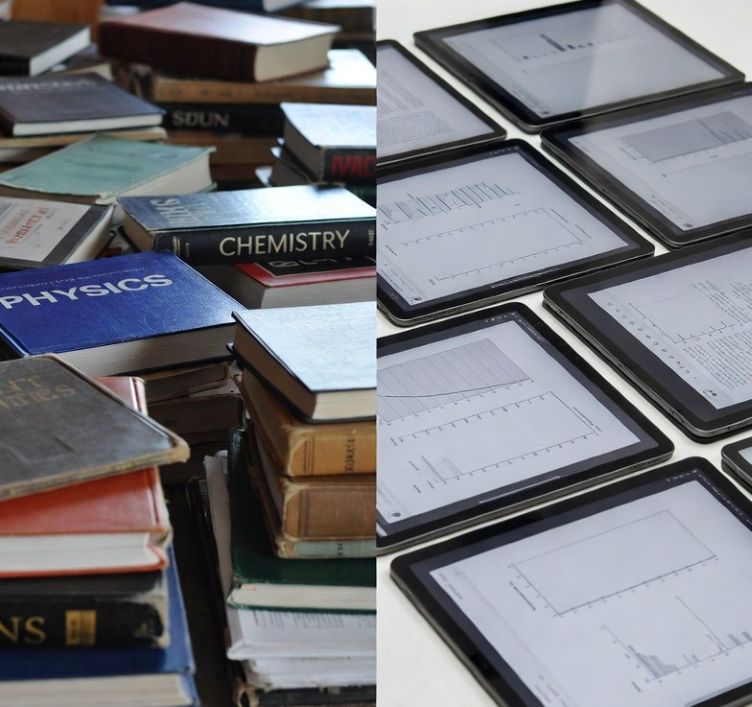
Switching to digital or openly licensed textbooks isn’t just about convenience. Printing and distributing physical textbooks demands massive amounts of paper, energy, and transportation. Every book you skip buying in print saves trees, reduces greenhouse gases, and keeps those hefty trucks off the road. Even small gestures add up. Imagine a university of 10,000 students, each opting for just two digital textbooks per semester instead of hard copies. That’s tens of thousands of pages, hundreds of trees, and a noticeable dip in shipping emissions.
Plus, digital resources often update faster. Gone are the days of dragging around outdated editions or overpriced, slightly-revised versions. You can have the latest research at your fingertips without contributing to landfill overflow or overproduction. For students with limited space, it’s also a game-changer. Your backpack gets lighter, your shoulders thank you, and the planet smiles quietly in the background.
Top Free Textbook Resources
- OpenStax: Offers peer-reviewed textbooks for subjects from Biology to Economics, all freely downloadable.
- LibreTexts: A collaborative platform with a vast library of open-access textbooks and supplemental resources.
- BCcampus OpenEd: Provides Canadian-focused textbooks covering a wide array of academic disciplines.
- MIT OpenCourseWare: Offers not only textbooks but also lecture notes and assignments in open-access formats.
These resources make it easier than ever to choose eco-friendly studying. And it’s not just the books themselves. Many platforms allow note-taking within PDFs or cloud-based study tools, cutting down on printed handouts and sticky notes cluttering up your dorm desk.
Tips for Eco-Friendly Studying
Want to take your green credentials up a notch while acing your classes? Start small. Here are a few practical ideas:
- Use a tablet or laptop for all reading and note-taking. Annotate digitally instead of printing pages.
- Share access to open textbooks with classmates instead of photocopying chapters.
- Recycle old notebooks and supplies instead of tossing them.
- Support professors and institutions that adopt open educational resources (OER) in the curriculum.
- Explore digital platforms for sustainable practices to see how technology can reduce environmental footprints in other fields too.
These habits may seem minor individually, but they create a culture of sustainable learning. More importantly, they link environmental responsibility to equitable access. Open resources remove cost barriers, giving students from all backgrounds a fair shot at high-quality education.
Rethinking Education and Sustainability
Choosing free and digital textbooks is more than a budget hack. It’s a statement: that education can be both accessible and environmentally responsible. Every time a student downloads an edition instead of buying a hardcover, it’s a small act of rebellion against waste and inefficiency. Over time, these choices shape institutional practices, encouraging publishers and schools to rethink production and distribution models.
It’s not perfect, of course. Digital access still requires electricity, and devices have their own environmental costs. But when you weigh it against the manufacturing, shipping, and disposal footprint of traditional textbooks, the scales tip decidedly in favor of open, digital solutions. By embracing freely available resources, we’re taking one step closer to sustainable learning, one PDF at a time.
So next semester, when you’re loading up your course schedule, consider going digital. Hunt down those college textbooks free and revel in the double win: smarter budgeting and a happier planet. Who knew saving trees could feel this rewarding?
By choosing sustainable textbooks, you’re not only supporting eco-friendly education but also contributing to a future where learning and environmental stewardship go hand in hand.