

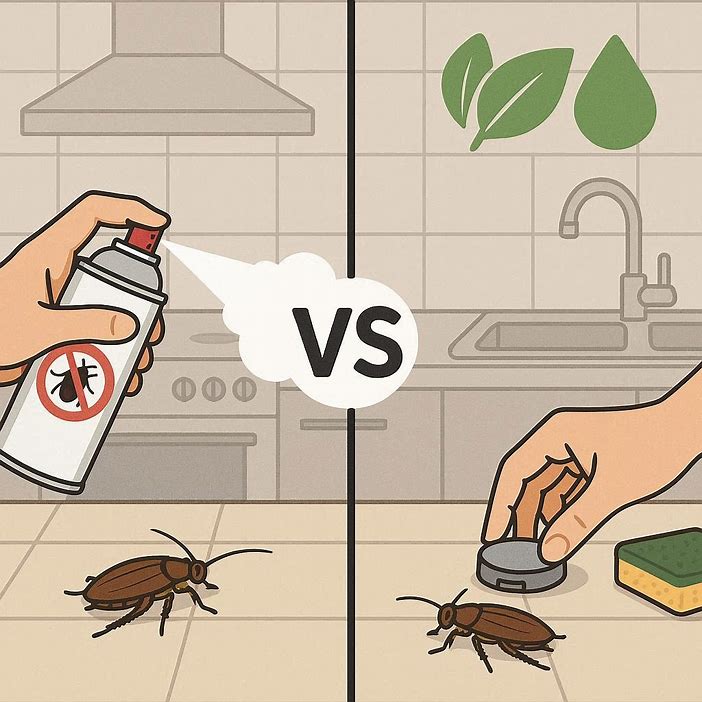
Cockroaches trigger asthma and allergies in millions of homes across the country. Their droppings, saliva, and shed skins contain proteins that irritate airways, especially in children. Beyond discomfort, these resilient pests spread bacteria like salmonella and E. coli, raising risks of foodborne illness.
Many homeowners turn to sprays and foggers for quick relief. Yet heavy reliance on these chemicals creates new problems. Research from the National Center for Healthy Housing shows that traditional baseboard and crack-and-crevice sprays often fail to reach hidden populations, allowing roaches to rebound. In one study of public housing, monthly spraying left most units still infested after a year. For reliable local help with related pests, residents in areas like Williamsville have turned to trusted professionals such as Williamsville bed bug exterminators who understand regional challenges.
The Hidden Costs of Conventional Cockroach Control
Traditional methods rely on broad-spectrum insecticides. These products deliver fast knockdown in severe cases. However, they come with trade-offs. Chemicals linger on surfaces and in the air, affecting indoor air quality. The EPA (Environmental Protection Agency) notes that measurable pesticide residues appear in many homes, sometimes linked to irritation of eyes, nose, and throat.
Over time, repeated use drives resistance. Cockroaches evolve defenses, making future treatments less effective. Data from university studies indicate that German cockroaches, common in urban settings, develop resistance to multiple insecticide classes. This cycle pushes people to apply more product, increasing exposure risks for families and pets.
Environmental harm stretches further. Runoff from sprays contaminates soil and waterways, harming beneficial insects and aquatic life. Experts note that persistent chemicals bioaccumulate, affecting ecosystems long after application. In Buffalo and similar northern climates, where homes battle seasonal moisture that attracts roaches, these broad treatments often miss the root causes like leaks and food debris.
A Better Path: Eco-Friendly Alternatives Emerge
Sustainable cockroach control shifts focus from killing to preventing. Integrated Pest Management, or IPM, leads this change. IPM combines monitoring, sanitation, exclusion, and targeted treatments. It uses far less pesticide while delivering stronger, longer-lasting results.
Studies highlight the difference. In New York City public housing, an IPM (Integrated Pest Management) program cut cockroach trap counts dramatically and reduced allergen levels. One intervention achieved an 80 percent cockroach-free rate after one year, compared to just 6 percent with conventional spraying. Pesticide use dropped by more than 50 times in some cases.
Another comparison in apartment buildings showed IPM outperforming bait-only approaches over months. Trap counts fell nearly 100 percent in IPM units, with better sanitation and fewer rebounds. Costs started higher due to initial cleaning and education but became lower monthly as infestations declined.
How Eco-Friendly Cockroach Control Works
The process starts with inspection. Technicians identify entry points, food sources, and hiding spots. Sticky traps monitor activity without chemicals, revealing where problems concentrate, often near kitchens and bathrooms.
Sanitation follows. Residents learn simple steps: store food in sealed containers, fix leaks, and clean thoroughly. These habits remove what roaches need most; water, food, and shelter. Exclusion seals cracks around pipes, windows, and doors with caulk or mesh, blocking new invaders.
When needed, targeted tools replace blanket sprays. Gel baits and insect growth regulators disrupt breeding cycles with minimal residue. Boric acid dust or diatomaceous earth desiccates roaches naturally in cracks. These options spare beneficial insects and reduce risks to people. In Buffalo NY, local services now emphasize these greener tactics to meet homeowner demands for safer solutions.
Results build gradually but endure. One school-based IPM program eliminated detectable cockroaches in traps and slashed allergen levels compared to routine spraying. Homeowners often notice fewer sightings within weeks, with sustained control over months or years.
Comparing Effectiveness and Safety
Traditional sprays win on speed for heavy infestations. They can reduce visible roaches in days. Yet rebounds happen quickly without addressing underlying conditions.
Eco-friendly methods take a bit longer at first. Consistent application and homeowner cooperation matter. In return, they offer superior long-term control and far less chemical exposure. Families with asthma or young children benefit most, as allergen levels drop alongside pest numbers.
Cost tells a similar story. Initial IPM investments cover inspections, cleaning, and education. Over time, reduced treatments and lower pesticide volume save money. Purdue University research and housing authority studies confirm monthly expenses often fall below traditional programs after the first few months.
Environmental gains stand out clearly. Greener approaches protect pollinators, soil health, and local waterways. They align with growing awareness that everyday choices shape broader ecosystems.
Cockroach Control in Buffalo NY Adapts to Sustainability Goals
In Western New York, pest services increasingly adopt IPM frameworks. Harsh winters drive roaches indoors seeking warmth and moisture, but modern providers combine exclusion with low-impact baits. This evolution helps homes and businesses reduce chemical footprints while staying effective against German and Oriental cockroaches common in the region.
Local experts educate clients on prevention. They stress that small habits, like wiping counters nightly and repairing drips, make professional help more successful and less frequent.
Moving Forward with Greener Living
The shift toward sustainable pest management reflects wider eco-friendly trends. People want solutions that protect health without compromising the planet. Cockroach control proves no exception. By choosing integrated approaches, homeowners gain peace of mind and contribute to cleaner indoor and outdoor environments. Small daily habits, such as proper waste management and water conservation, can amplify these efforts. For more practical ideas on lowering your overall footprint, check out these tips for reducing your environmental impact.
Success depends on partnership. Professionals provide expertise and tools, while residents maintain good habits. Together, they break the cycle of infestation and chemical dependence. In places like Buffalo, forward-thinking services lead this change, offering effective green options that balance immediate needs with long-term wellness.
Next time roaches appear, consider more than quick sprays. Explore prevention-focused methods that deliver results with less risk. Your family, your home, and the surroundings all stand to benefit. Sustainable choices today build healthier spaces for tomorrow.