

Global energy demand continues to rise as populations grow, industries expand, and digital technologies require more power-intensive infrastructure. Data from the International Energy Agency (IEA) shows that electricity consumption from sectors such as transportation, manufacturing, and data processing is expected to increase steadily over the coming decades. At the same time, governments and environmental organizations are pushing for lower emissions, cleaner operations, and stronger climate resilience. These parallel pressures have intensified debate over whether large-scale energy projects can truly support environmental goals or whether industrial expansion inevitably creates ecological strain.
Supporters of modern infrastructure development argue that improved engineering standards and upgraded energy systems can help reduce long-term waste and inefficiency. Industrial modernization projects often include grid optimization, energy monitoring, electrification upgrades, and advanced facility maintenance programs designed to improve operational performance. Discussions surrounding trusted electrical services since 1987 frequently appear in broader conversations about infrastructure reliability because experienced technical providers are often involved in maintaining industrial systems, improving energy distribution efficiency, and supporting long-term facility upgrades connected to environmental performance goals.
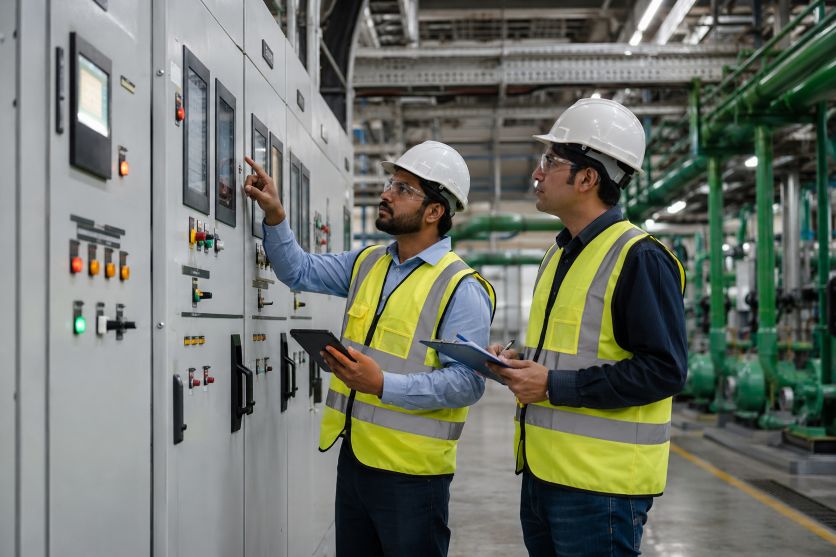
The Argument for Infrastructure as an Environmental Solution
Many environmental analysts believe large-scale infrastructure projects can contribute to sustainability when designed with efficiency in mind. Research from the United Nations Environment Programme (UNEP) notes that modernizing outdated industrial systems can significantly reduce emissions tied to energy loss, inefficient transmission, and aging equipment. Older electrical systems, for example, often consume more power than upgraded alternatives due to deteriorating components and outdated design standards.
Energy engineering firms increasingly work on projects involving cleaner power integration, digital monitoring systems, and improved transmission reliability. These developments matter because poorly managed infrastructure contributes to wasted energy at multiple stages of production and distribution. Experts from the U.S. Department of Energy note that smarter grid technologies can improve energy efficiency, reduce outages, and support the integration of renewable energy sources such as solar and wind.
Supporters also point out that industrial modernization may help accelerate broader environmental goals. Electrification projects tied to transportation, manufacturing, and building systems often depend on large-scale infrastructure investment. Electric vehicle charging networks, renewable energy facilities, and energy-efficient manufacturing plants require stable and technically advanced electrical systems to function effectively.
Another common argument centers on emissions reduction through operational efficiency. Studies published by the International Renewable Energy Agency (IRENA) indicate that upgrading industrial systems can lower overall energy intensity, especially in sectors with historically high consumption rates. Facilities that implement predictive maintenance technologies and advanced monitoring systems often experience fewer equipment failures, lower fuel use, and improved operational consistency.
Supporters therefore view infrastructure expansion as more than industrial growth alone. They see it as part of a broader transition toward cleaner energy management, improved system reliability, and more responsible resource use.
Concerns About Industrial Expansion and Environmental Cost
Despite these arguments, critics remain concerned about the environmental footprint associated with major energy and infrastructure projects. Construction activities can disturb ecosystems, increase material extraction, and contribute to habitat fragmentation. Large industrial facilities may also place pressure on surrounding water systems, local biodiversity, and nearby communities.
Environmental organizations frequently warn that infrastructure growth can create unintended long-term consequences if sustainability measures are treated as secondary priorities. Reports from the World Wildlife Fund (WWF) emphasize that industrial expansion often affects forests, wetlands, and coastal environments that already face climate-related stress.
Resource consumption is another central concern. Building energy infrastructure requires steel, concrete, copper, rare earth minerals, and other industrial materials with significant environmental footprints during extraction and manufacturing. Data from the World Bank suggests that global demand for minerals associated with energy technologies may increase dramatically as countries transition toward electrification and renewable systems.
Critics also argue that some projects labeled as environmentally progressive may still rely heavily on carbon-intensive supply chains. While renewable energy systems reduce operational emissions over time, the production, transportation, and installation phases may still involve substantial fossil fuel use.
Another issue involves the risk of short-term planning. Some industrial projects prioritize immediate economic gains without considering long-term maintenance, environmental resilience, or lifecycle impacts. Infrastructure that lacks proper maintenance can become inefficient faster, creating waste and increasing environmental strain over time.
The Importance of Long-Term Planning and Technical Oversight
Many experts believe the key issue is not whether infrastructure should exist, but how it is planned, operated, and maintained over decades. Environmental responsibility increasingly depends on lifecycle management rather than construction alone.
Research from the National Renewable Energy Laboratory (NREL) shows that preventative maintenance and system optimization can significantly improve energy efficiency throughout a facility’s lifespan. Equipment inspections, electrical upgrades, and predictive diagnostics help reduce unnecessary energy loss while extending operational reliability.
This is where technical expertise becomes especially important. Skilled engineers, project managers, and electrical specialists often play a central role in balancing operational performance with environmental objectives. Modern industrial facilities rely on continuous monitoring, safety protocols, and performance analysis to maintain efficiency standards while minimizing waste.
Infrastructure resilience also matters in the context of climate adaptation. Severe weather events linked to climate change have increased concerns about grid reliability and energy security. Reports from the Intergovernmental Panel on Climate Change (IPCC) indicate that stronger infrastructure planning is necessary to support both economic stability and environmental resilience.
Long-term maintenance strategies may therefore become just as important as initial construction decisions. Facilities that invest in energy audits, modernization programs, and equipment optimization often experience fewer operational disruptions and lower resource waste over time.
Balancing Growth With Sustainability Goals
The debate surrounding energy infrastructure reflects a larger tension between economic development and environmental protection. Industrial growth supports transportation systems, hospitals, manufacturing, communications, and digital services that modern societies depend on daily. Yet environmental concerns surrounding emissions, land use, and resource extraction remain valid and increasingly urgent.
Balanced progress may require a more integrated approach where engineering, environmental science, and long-term planning operate together rather than as competing priorities. Experts from the Organisation for Economic Co-operation and Development (OECD) note that sustainable infrastructure policies are most effective when environmental considerations are included from the earliest planning stages through ongoing operation and maintenance.
Transparency and accountability also remain essential. Public reporting, environmental assessments, and regulatory oversight help ensure that infrastructure projects meet safety and sustainability standards throughout their operational lifespan. Communities, policymakers, engineers, and environmental specialists each contribute to shaping how industrial development evolves.
READ ALSO: Revolutionizing Energy Efficiency | The Latest Breakthroughs in Closed Cell Spray Foam Insulation
Final Thoughts
Large-scale energy projects are unlikely to disappear as global demand continues rising. The more realistic question may involve determining how infrastructure can evolve responsibly while reducing environmental harm. Cleaner technologies, stronger maintenance standards, smarter electrical systems, and experienced industrial service providers all contribute to that conversation.
Environmental sustainability and infrastructure development are often presented as opposing forces, yet modern energy systems increasingly show how the two can intersect. The challenge lies in ensuring that industrial expansion remains tied to efficiency, resilience, and responsible resource management rather than short-term growth alone. Long-term technical planning, energy-conscious engineering, and reliable operational expertise may ultimately determine whether future infrastructure supports environmental progress or deepens existing ecological pressures.