
Sydney homeowners chasing a smaller environmental footprint usually start with the obvious moves: solar panels, native gardens, a water tank tucked behind the shed.
Few think about the fence line. Yet it turns out to be one of the more overlooked opportunities for a greener yard.
My Fencing Specialists, who have installed timber, Colorbond, aluminium and pool fencing across Sydney’s North Shore, Northern Beaches, Eastern Suburbs and Sydney City since 1999, say timber fencing deserves more credit than it gets.
Why Timber Still Holds Up Against Modern Materials
Colorbond and aluminium have become popular for their low maintenance and long lifespan, and fair enough. But timber hasn’t lost its place.
Wood is renewable when sourced responsibly, and it doesn’t need the energy-intensive smelting that steel and aluminium require.
A timber fence built from sustainably harvested hardwood or plantation pine carries a smaller carbon footprint from the moment it leaves the mill.
Then there’s the end-of-life question, which people rarely think about until they’re staring at an old fence.
When a Colorbond fence needs replacing, the sheeting usually heads to a metal recycler, or worse, landfill.
Timber can be repurposed, chipped for mulch, or left to break down naturally without leaching anything harmful into the soil, as long as it wasn’t treated with older-style preservatives.
A Fence That Does More Than Mark a Boundary
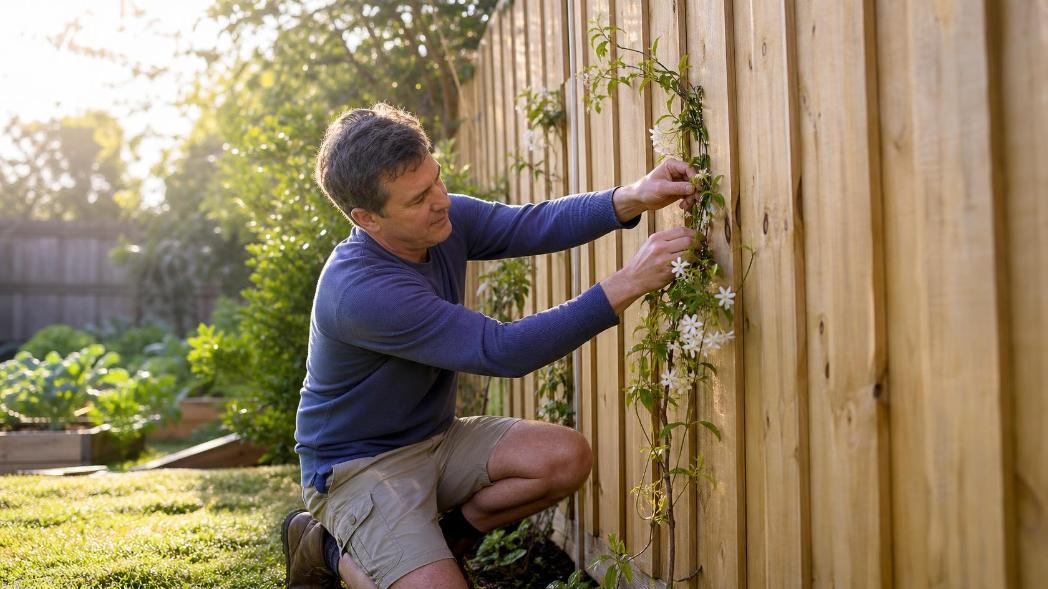
A well-placed timber fence can quietly support the plants and wildlife around it. Climbing vines like star jasmine or native clematis grip timber slats far more readily than they do smooth Colorbond panels.
That gives homeowners a living green wall for almost no extra effort. The extra foliage cools the immediate area, softens hard rain runoff, and gives small birds and insects somewhere to shelter.
Timber also breathes in a way metal doesn’t.
Gaps between palings let air move through garden beds pressed against the fence line, which cuts down on the fungal problems that crop up when moisture sits trapped against solid metal.
Gardeners who’ve fought mildew on shaded, fence-adjacent plants often notice the difference once they switch.
Choosing Timber That Actually Lives Up to the Eco Claim
Not all timber fencing earns its green reputation. Treated pine is common and cheap, but older treatment chemicals are worth avoiding near vegetable patches or anywhere kids and pets play.
Newer treatments are safer. Untreated hardwoods like spotted gum or ironbark last for decades without any chemical treatment at all, simply because they’re dense enough to resist rot on their own.
Where possible, look for timber carrying Forest Stewardship Council certification. It confirms the wood came from a forest that’s actively managed and replanted rather than cleared and abandoned.
A fencing contractor who can actually tell you where their timber comes from is usually a good sign.
Maintenance Habits That Keep the Environmental Benefit Real
A timber fence only stays a genuinely eco-friendly choice if someone looks after it. Neglected wood rots faster and needs replacing sooner, which undoes the whole point.
A light oil or water-based sealant every couple of years stops the timber drying out and cracking, and keeps the fence standing long enough to offset the resources that went into building it.
Homeowners with timber fencing that’s lasted ten or fifteen years usually point to two things. They picked a durable species to begin with, and they didn’t skip the maintenance.
It’s not glamorous work. It’s just the difference between replacing a fence every decade and getting twice that out of it.
Small Choices That Add Up Around the Yard
Fencing is one piece of a bigger picture. Homeowners serious about cutting their environmental impact tend to look at the whole property at once.
Simple tips on having an eco-friendly home often start right in the backyard: collecting rainwater in a barrel near the fence line, swapping thirsty lawn for drought-tolerant natives, or fitting solar-powered lighting instead of mains-wired fixtures.
A timber fence slots naturally into that approach, especially once it’s holding up a climbing vine or shading a garden bed that would otherwise need more watering.
None of this has to happen overnight. Most homeowners who’ve gone down this path say it was gradual, one part of the yard at a time, as budget allowed.
A fence replacement, something most people do only once every few decades, is a natural moment to make the greener choice without much extra cost.
A Practical Starting Point
Fencing rarely tops the list when people think about greener homes, but it’s one of the few backyard elements that’s both highly visible and long lasting.
Getting it right, in material, sourcing and upkeep, sets the tone for everything else in the yard.
For Sydney homeowners across the North Shore, Northern Beaches, Eastern Suburbs and beyond, timber remains a solid, renewable option that keeps earning its place well after installation day.